

Bridges of Dialogue in a Divided World
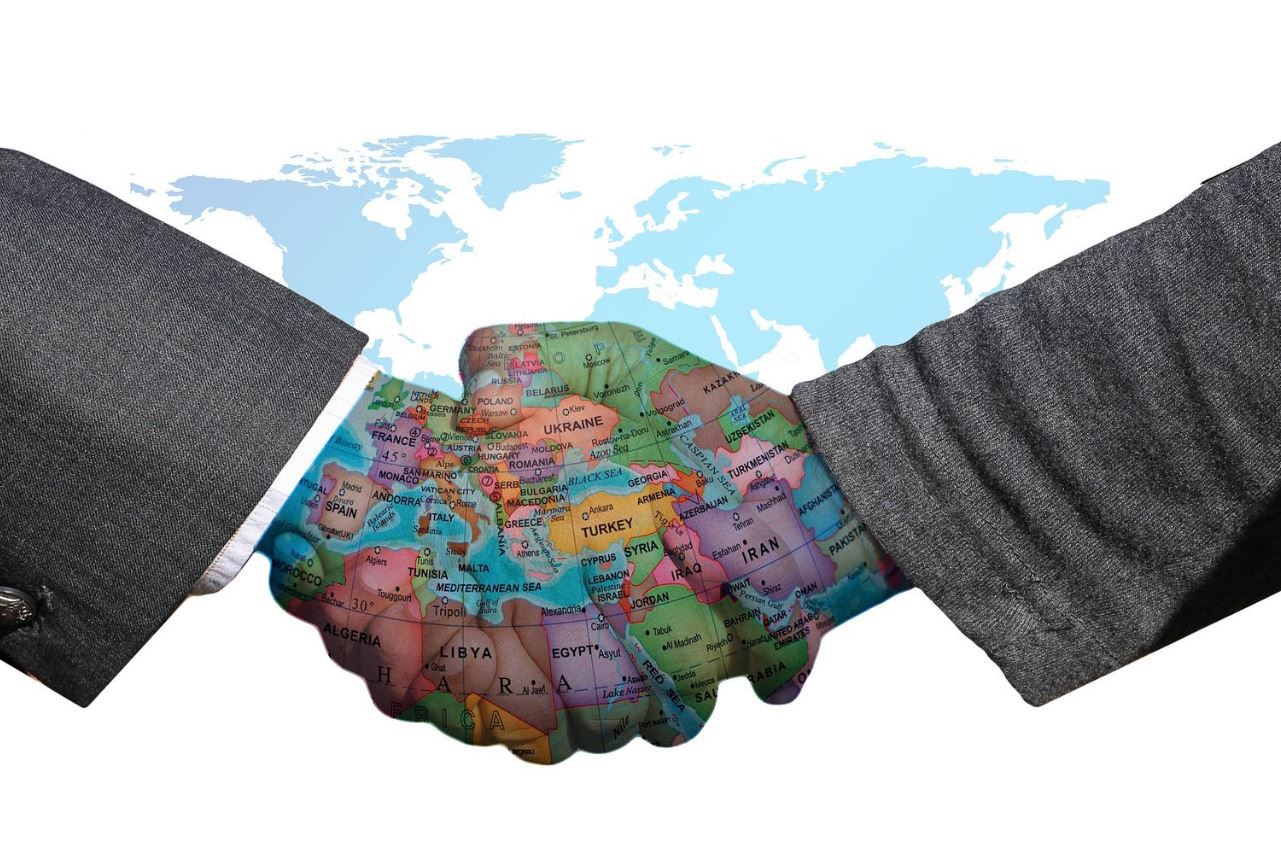
Patience, principle, and perception shape the delicate balance of diplomacy in a changing world
The Essence of Negotiation Beyond Words
Diplomacy exists at the intersection of communication and restraint. It is not simply about what is said but what remains unspoken, the tone chosen, and the silence maintained. At its finest, diplomacy transforms confrontation into conversation and disagreement into discovery. The diplomat operates within a paradox, striving for progress without provocation and influence without imposition. This subtle form of statecraft recognizes that peace is not the absence of conflict but the mastery of its management. It demands sensitivity to context, empathy for opponents, and awareness that gestures often speak louder than declarations. History’s most enduring treaties were not forged through force but through patience, where each concession became a thread in the fabric of mutual respect. To practice diplomacy is to understand that success is measured not by dominance but by balance.
Diplomacy thrives in uncertainty, drawing strength from ambiguity when rigidity would break it. The diplomat’s tools are conversation, observation, and trust. In moments of tension, these elements form the bridge that keeps nations from falling into chaos. The art of negotiation rests on human understanding as much as strategy. It requires the humility to listen and the courage to concede. The power of diplomacy lies not in words alone but in the credibility of those who speak them.
The Evolution of Diplomatic Practice Through History
The origins of diplomacy stretch deep into ancient civilizations, where emissaries traveled between kingdoms carrying fragile messages of peace. In early Mesopotamia and Egypt, diplomacy was often a tool of survival, ensuring coexistence between competing powers. The Renaissance formalized these practices, giving birth to permanent embassies and professional diplomats who represented their monarchs abroad. The Congress of Vienna in 1815 marked a defining moment, establishing rules that would govern international relations for centuries. The modern world inherited these traditions but adapted them to a reality of globalization, technology, and interdependence. Today’s diplomacy is no longer confined to elite chambers; it extends into virtual meetings, humanitarian missions, and transnational collaborations.
Each era has expanded the meaning of diplomacy. What began as a dialogue between rulers evolved into a network connecting states, organizations, and citizens. Multilateral diplomacy, embodied by institutions such as the United Nations, transformed negotiation into a collective enterprise. Yet even as structures changed, the human essence of diplomacy remained intact. The need to understand, persuade, and compromise continues to define the practice, reminding us that behind every treaty lies the quiet labor of those who believed conversation could avert catastrophe.
The Role of Diplomacy in Preventing Conflict
Diplomacy serves as civilization’s first and last defense against war. Its primary function is to transform hostility into coexistence before violence makes understanding impossible. Through dialogue, nations test intentions, defuse suspicions, and explore alternatives to aggression. Successful diplomacy relies on the belief that no disagreement is beyond communication. The Cuban Missile Crisis remains one of the most striking examples of how skilled diplomacy prevented disaster. In that tense confrontation, both sides found a path toward de-escalation not through threat but through trust built in secrecy and sincerity. It demonstrated that restraint can achieve what confrontation cannot. Modern diplomacy continues this mission through peacebuilding, mediation, and preventive dialogue, offering humanity an alternative to cycles of retaliation.
Diplomatic engagement also ensures that conflict resolution is not limited to immediate survival but extends to long-term stability. By creating institutions and treaties that promote communication, nations construct mechanisms of peace capable of withstanding future crises. Diplomacy thus becomes an act of foresight, shaping environments where war becomes not only undesirable but unnecessary. It embodies the conviction that understanding, once achieved, can be stronger than arms.
The Rise of Soft Power and Cultural Diplomacy
Traditional diplomacy once relied on military strength and territorial influence. Today, the most effective form of persuasion often comes from culture, education, and shared values. This phenomenon, known as soft power, redefines how nations assert themselves in the global arena. Instead of coercing through threat, they inspire through example. Music, art, science, and language become vehicles of influence, shaping global perception without the cost of confrontation. Cultural diplomacy humanizes nations, transforming distant populations into potential partners. When a country’s literature moves hearts abroad or its humanitarian work earns admiration, it strengthens its position in ways armies never could.
Soft power, however, requires authenticity. Propaganda disguised as culture erodes trust, while genuine exchange fosters mutual respect. Universities, artists, and civil society often play a greater diplomatic role than governments realize. In the twenty-first century, diplomacy extends beyond embassies to classrooms, theaters, and digital platforms. It is no longer confined to treaties but thrives in the bonds formed through empathy and shared creativity. The diplomat of the future will not only speak the language of law and politics but also the universal language of humanity.
The Ethical Dimension of Diplomatic Decision-Making
Diplomacy is as much an ethical pursuit as it is a strategic one. The choices diplomats make often determine the fate of lives and the direction of history. Each decision carries moral weight, forcing a balance between national interest and global responsibility. The ethical diplomat must ask whether the pursuit of advantage can coexist with the preservation of justice. History is filled with examples where compromise protected peace but betrayed principle. The challenge lies in knowing when pragmatism becomes complicity. Ethical diplomacy does not mean moral perfection; it means striving for fairness even in imperfection. It requires empathy for the foreign and accountability to the domestic, a recognition that the line between right and expedient is often thin.
Modern diplomacy faces new ethical tests in technology, surveillance, and climate policy. Negotiating data privacy, cybersecurity, and artificial intelligence involves choices that affect billions of people. Environmental diplomacy must reconcile growth with preservation, wealth with sustainability. In all these arenas, ethics is the invisible compass guiding dialogue toward trust. Without it, diplomacy risks becoming manipulation masquerading as compromise.
The Influence of Public Opinion on Diplomatic Affairs
In earlier centuries, diplomacy operated in secrecy, hidden from the public eye. Today, transparency has become both a necessity and a challenge. Public opinion now shapes the boundaries of diplomatic action, demanding accountability and influencing policy direction. The democratization of information has made diplomacy more inclusive but also more fragile. Social media amplifies sentiment, sometimes distorting nuance into outrage. Diplomats must navigate between openness and discretion, ensuring that public engagement does not undermine delicate negotiations. The rise of digital diplomacy reflects this transformation, as leaders communicate directly with global audiences, bypassing traditional intermediaries. This immediacy builds trust but also heightens the risk of misinterpretation.
Public opinion can also strengthen diplomacy when harnessed responsibly. Citizen awareness of global issues, from climate change to human rights, creates pressure for governments to act with conscience. The informed public becomes a partner rather than a spectator. In democratic societies, successful diplomacy now depends as much on domestic persuasion as on international negotiation. The diplomat’s challenge is to maintain transparency without sacrificing subtlety, to inform without inflaming, and to unify public will with the patience required for global understanding.
The Modern Challenges of Multilateral Diplomacy
In a world where global issues transcend borders, multilateral diplomacy has become the dominant mode of engagement. From trade agreements to climate accords, nations collaborate through complex networks of institutions and conferences. This inclusivity ensures that small nations have voices alongside great powers, yet it also slows decision-making. Consensus requires compromise, and compromise requires time. The pace of global crises often outstrips the ability of diplomacy to respond. The climate emergency, for instance, demands immediate action while negotiations move incrementally. The challenge of modern diplomacy lies in reconciling urgency with deliberation, ensuring that inclusivity does not become inertia.
Despite its frustrations, multilateralism remains essential. It provides a forum for empathy and accountability, where even adversaries must speak rather than fight. Diplomacy within the United Nations, the World Trade Organization, and regional bodies forms a web of dialogue that prevents isolation. Each summit, declaration, and joint statement, however imperfect, represents humanity’s collective refusal to surrender to chaos. The endurance of multilateral diplomacy reflects the enduring belief that problems shared can still be solved together.
The Future of Diplomatic Practice
As technology, culture, and geopolitics evolve, diplomacy itself must transform. Artificial intelligence, virtual communication, and instant media redefine how information is shared and interpreted. Traditional secrecy gives way to strategic transparency, where credibility is built through openness. The diplomat of tomorrow will be part negotiator, part analyst, part communicator. Their influence will depend not on access to private rooms but on their ability to build coalitions of trust across nations and platforms. Climate change, pandemics, and migration require diplomacy that integrates science, empathy, and long-term vision. The world’s interconnected crises demand not just statecraft but planetcraft, a shared stewardship of global well-being.
The future of diplomacy lies in collaboration between governments and citizens, experts and activists, technology and humanity. It will succeed not by replacing human judgment with algorithms but by enhancing dialogue through knowledge and inclusion. The diplomat of the digital age must defend truth in a world of disinformation, cultivating integrity as their most powerful tool. As global challenges multiply, diplomacy’s endurance will depend on its capacity to remain human in both purpose and method.
The Enduring Spirit of Understanding
Diplomacy, at its heart, is an act of faith in dialogue. It assumes that even the deepest divides can be bridged by words if spoken with sincerity. The diplomat’s strength lies not in authority but in empathy, not in victory but in understanding. In an age of noise and polarization, the quiet work of negotiation becomes a rare and radical act. It reminds the world that persuasion is stronger than punishment and that patience remains the most powerful form of courage. As nations navigate uncertainty, the spirit of diplomacy continues to stand as a testament to humanity’s belief that reason can still triumph over rage. The future will always need its quiet persuaders, those who carry conversation as their compass and peace as their purpose.