

The Classroom Where Democracy Learns to Breathe
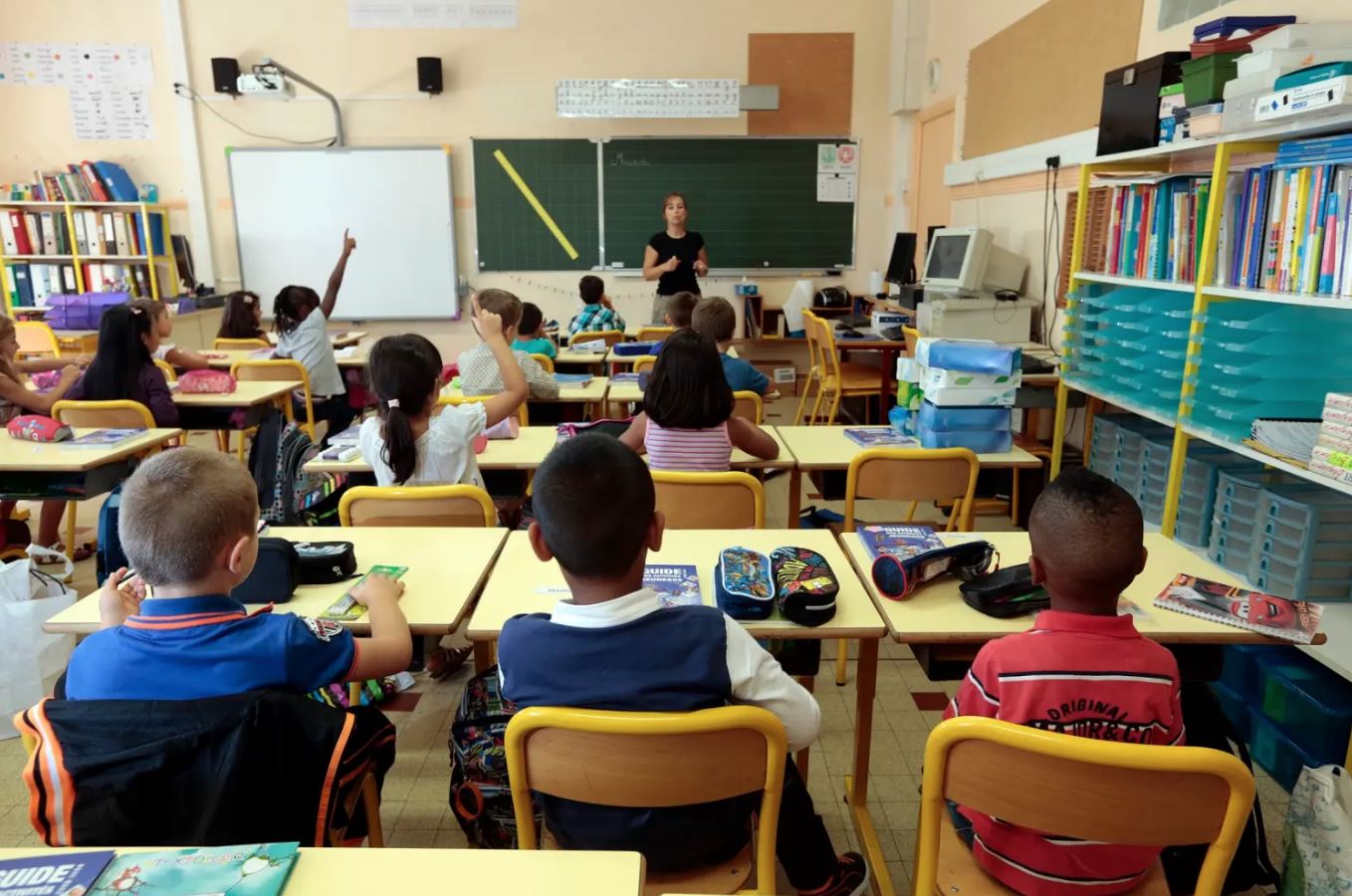
Civic understanding, participation, and shared responsibility form the heartbeat of a society that governs itself through knowledge rather than indifference
The Foundation of Awareness
Civic education is not merely a subject in a curriculum; it is the architecture of awareness that sustains democracy. It begins with the idea that citizenship is both a privilege and a discipline. Children who learn about their rights and responsibilities early in life grow into adults who see governance not as a distant performance but as a daily conversation. Civic education transforms passive residents into active participants. It teaches that laws are not commands from above but agreements made among equals. Every society that wishes to preserve liberty must invest in teaching how that liberty functions. Without civic understanding, the machinery of democracy runs but loses its direction. Awareness, therefore, is not a luxury but a necessity that allows citizens to see beyond slogans and recognize the substance of their collective power.
Yet awareness alone is fragile. It must be nurtured through context, history, and reflection. Students must learn not only what institutions exist but why they were created and what principles they embody. The foundation of civic knowledge rests on curiosity, the willingness to question how decisions are made and who benefits from them. When education cultivates this curiosity, citizens cease to be spectators and become stewards of their own governance. Awareness is the beginning of accountability, and from it, every other civic virtue grows.
The Role of Schools in Shaping Citizens
Schools are the first laboratories of democracy. Within classrooms, children experience rules, participation, and community before they encounter them in the broader world. Teachers act as guides, not only of academic learning but of civic formation. They introduce the idea that fairness is not a personal preference but a public standard. Group projects, student councils, and classroom debates become microcosms of governance, teaching through experience what no textbook alone can convey. The purpose of civic education in schools is not indoctrination but preparation, to equip students with the intellectual and emotional tools to navigate disagreement without hostility.
However, this mission often faces challenges. Curriculums can become mechanical, reducing civic education to memorization of facts rather than exploration of values. True civic learning demands that students see themselves within the system, not outside it. When schools encourage engagement with local issues, such as environmental concerns, social service, or community planning, they turn theory into action. A well-designed civic education program teaches that every vote, voice, and volunteer act forms part of the social ecosystem. The classroom thus becomes a rehearsal for citizenship, shaping generations that understand that democracy depends on participation as much as on principle.
The Bridge Between Knowledge and Action
Knowing about government is one step; acting upon that knowledge is another. Civic education must bridge this gap by emphasizing participation as the natural outcome of understanding. A student who learns how policy is made but never learns how to engage with it remains incomplete. Knowledge without application breeds apathy. Programs that integrate community service, youth councils, and participatory projects transform information into involvement. When learners see the effects of their contributions, they internalize the connection between effort and outcome. The bridge between knowledge and action is built on the conviction that change begins where awareness meets initiative.
Action-oriented civic education also teaches humility. It reveals that progress is rarely immediate and that meaningful change requires persistence. By involving young citizens in problem-solving exercises, simulations of governance, and real-world collaboration, educators create environments where civic learning becomes a habit rather than an event. The goal is to cultivate a sense of agency that endures beyond graduation. When citizens view engagement not as a duty imposed by others but as an expression of self-respect, democracy gains depth. The vitality of a nation depends on how well it educates its people to act with purpose, not just opinion.
The Responsibility of the Media
In the age of digital saturation, media has become an informal classroom for civic understanding. It shapes perceptions of governance, justice, and leadership. Every headline, broadcast, and post carries the potential to educate or distort. Civic literacy now includes media literacy, the ability to distinguish information from manipulation. A citizen’s understanding of public life increasingly depends on how they interpret narratives rather than how they memorize facts. The responsibility of the media, therefore, extends beyond reporting events to fostering comprehension. Information must illuminate, not obscure. Journalism that prioritizes clarity over conflict becomes an ally of education.
However, this role demands integrity. Sensationalism corrodes trust, and biased presentation undermines critical thought. Citizens must be trained to question sources, evaluate credibility, and resist the comfort of confirmation bias. Media outlets, in turn, must recognize their part in the democratic ecosystem. A free press is essential, but freedom must serve enlightenment, not distraction. Civic education must therefore include the study of media behavior and the ethics of communication. When citizens learn to read between the lines, they reclaim control over their understanding. The relationship between media and civic education is symbiotic: one informs the other, and both sustain the transparency upon which democracy survives.
The Evolution of Civic Identity
Identity is not inherited; it is learned and lived. Civic education plays a vital role in shaping how individuals see themselves within the collective narrative of their country. It introduces the idea that belonging is not defined by conformity but by participation. Each citizen carries a piece of the nation’s moral architecture, and that architecture must be continuously maintained through engagement. Through studying history, law, and ethics, people come to understand that identity is active, not static. It grows with every generation that redefines what equality, justice, and freedom mean in their time.
Globalization adds complexity to this identity. Citizens are no longer confined to national perspectives; they interact with global issues, climate, technology, migration, that transcend borders. Civic education must therefore expand its scope to include global citizenship while maintaining loyalty to local responsibility. Teaching about international cooperation, human rights, and cultural empathy prepares individuals for a world where action in one country can ripple across continents. The evolution of civic identity reflects an expanding consciousness: that being a good citizen at home also means being a responsible member of humanity. Civic education, in this sense, is the study of coexistence as much as governance.
The Power of Community Learning
Civic education does not end with graduation; it thrives in communities that continue to teach and learn together. Public forums, libraries, local assemblies, and digital platforms provide spaces where citizens can deliberate and collaborate. These environments transform neighborhoods into living classrooms. When people discuss local policies, budget allocations, or environmental initiatives, they exercise civic muscles that grow stronger with use. Community-based education ensures that learning remains relevant and responsive. It connects abstract principles to tangible experiences, turning civic understanding into daily practice.
Intergenerational learning enhances this dynamic. When elders share stories of civic struggles and achievements, they provide historical grounding; when youth contribute new ideas and technologies, they inject innovation. The exchange creates continuity within change. Civic education, when practiced collectively, bridges social divides and rekindles trust in public institutions. A society that learns together governs together. Every community that values dialogue over division becomes a miniature republic, proving that democracy begins not in parliaments but in conversations among neighbors.
The Digital Frontier of Citizenship
The digital age has redefined what it means to be a citizen. Online platforms serve as arenas for debate, advocacy, and misinformation. Civic education must now include digital citizenship, the understanding of rights and responsibilities in virtual spaces. The same principles that govern public life apply online: respect, accountability, and truthfulness. Yet the speed and scale of digital communication amplify both opportunity and risk. Citizens can mobilize global movements within hours, but they can also spread falsehoods at the same pace. The challenge of modern civic education is to prepare individuals to navigate this environment without losing integrity.
Digital literacy teaches discernment. It reminds users that freedom of expression carries the obligation of accuracy. Algorithms may shape visibility, but understanding shapes judgment. Online participation becomes meaningful when guided by reflection rather than reaction. Civic education in the digital era must emphasize empathy as much as evidence, reminding users that behind every comment lies another human being. The internet can be a tool for enlightenment or division, depending on how citizens wield it. By teaching digital ethics alongside traditional civics, educators ensure that democracy evolves rather than fragments in the face of technological change.
The Global Imperative of Civic Renewal
Across nations, democratic institutions face fatigue. Voter apathy, misinformation, and polarization erode the foundations of collective decision-making. Civic education stands as the antidote to this erosion. It renews the social contract by reminding people that governance is not a spectator sport. Renewal begins when citizens recognize their interdependence. Whether through community service, informed voting, or public discourse, every act of participation replenishes the legitimacy of institutions. The challenge is to ensure that civic education remains dynamic, adjusting to new realities while holding firm to timeless values of justice and equality.
International cooperation on civic education can amplify its impact. Exchanges between educators, policymakers, and youth leaders allow societies to learn from one another’s successes and failures. The principles of transparency, participation, and accountability are universal, even as their expressions differ by culture. A global movement for civic renewal would reaffirm that democracy is not a Western invention or an elite concept but a human necessity. Every generation must re-teach itself the habits of citizenship, for neglect leads inevitably to decay. Civic education, when treated as a lifelong journey rather than a school subject, becomes the heartbeat of democratic continuity.
The Continuous Conversation of Citizenship
Civic education is the conversation through which a society remembers who it is and decides who it wishes to become. It does not end with knowledge or even with action but continues as reflection. Every citizen, by engaging thoughtfully with their community and their government, keeps this conversation alive. The measure of a democracy is not the perfection of its institutions but the participation of its people. Education gives that participation direction, meaning, and endurance. When citizens learn to question, to listen, and to act with conscience, they breathe life into the promise of self-government. The continuous conversation of citizenship ensures that democracy remains not a finished achievement but a living dialogue, renewed each day by those who care enough to keep learning together.