

The Measure That Holds Power Steady
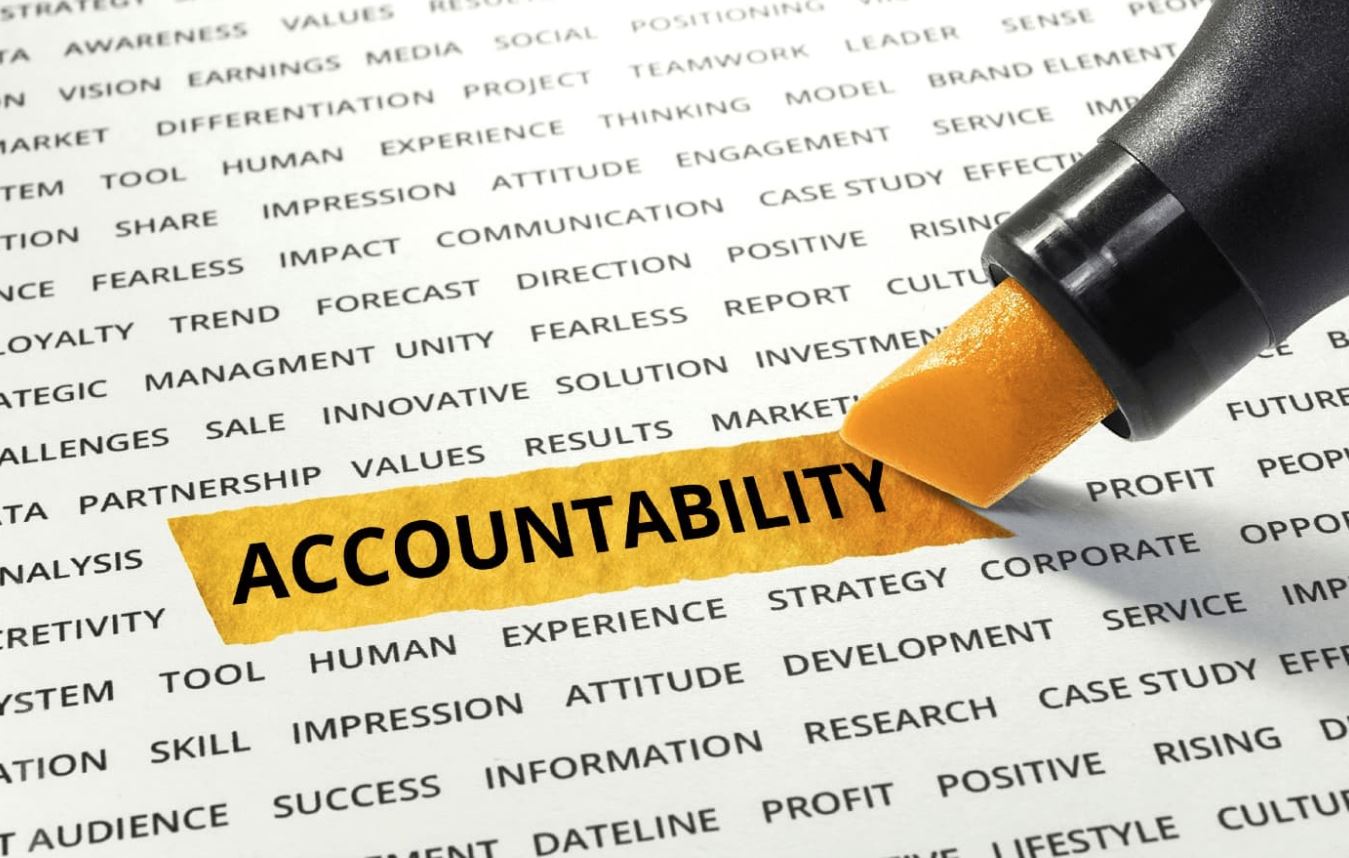
A civic meditation on how answerability, proof, and repair turn authority into service and rebuild trust where it is most fragile
The First Line of Civic Safety
Accountability begins where promises meet proof. People evaluate institutions by the distance between what is said and what is done, and that distance becomes the measure of legitimacy. When the gap widens, trust recedes, so the first task is to shorten the space with evidence that arrives on time and in a form that people can understand. Reports, audits, and hearings only matter if they translate action into clear stories that anyone can follow. Accountability is more than punishment, it is also a process that reintroduces the public to its own power. A government that explains itself regularly and openly replaces rumor with comprehension, and comprehension makes cooperation possible. Where explanation is rare, suspicion becomes normal and small errors harden into narratives of betrayal that no press release can halt.
Safety depends on predictability as much as on force. Residents need to know how complaints move through a system, who responds at each step, and how long each step should take. Time standards give dignity to those who wait, while public timelines create pressure for officials to act. When people can track a case from intake to resolution, frustration yields to patience, and outcomes improve because delays lose their hiding places. The first line of civic safety is therefore not a wall but a window. It shows the work as it happens and invites scrutiny without fear. Real order does not fear light. It performs better in it, because visibility aligns effort with expectation and returns institutions to the people who fund and authorize them.
The Architecture of Answerability
Every durable system of accountability rests on interlocking pillars that support and correct one another. Internal controls test decisions before harm occurs, external review examines what escaped, and open records allow the public to study both. Each pillar plays a distinct role, yet together they form a structure that resists collapse when pressure mounts. Boards with real independence, inspectors with access to complete files, and courts with the courage to enforce remedies keep the roof from sagging when politics leans too hard on convenience. Answerability is a design choice. It is the choice to place brakes where speed tempts, to place witnesses where memory blurs, and to place explanation where authority might otherwise rely on silence.
Design lives in details. Whistleblower protection signals that truth outranks rank. Disclosures of interest remind officials that private gain must not steer public choice. Rotation of sensitive assignments limits the growth of quiet empires inside agencies. Even the layout of a website tilts the field toward integrity when contracts, budgets, and performance dashboards sit one click from the home page. Architecture is not only stone and steel. It is the arrangement of habits that make misdirection difficult and correction quick. A building that guides its occupants toward the right rooms saves time. An institution that guides its people toward the right behaviors saves trust. Answerability becomes daily practice when design assumes human weakness and turns it toward public strength.
From Blame to Learning
Many residents hear the word accountability and imagine a hunt for culprits. Consequences matter, because impunity corrodes the ground under every reform. Yet if blame becomes the only tool, institutions learn to fear knowledge. Files thin out, honest errors vanish from reports, and innovation slows under the weight of defensive habits. A healthy culture treats accountability as a cycle that begins with detection and ends with learning. After an incident, investigators reconstruct the sequence, identify root causes, and separate individual misconduct from systemic design flaws. Remedies then match the diagnosis. Training addresses skill gaps, policy addresses ambiguity, and discipline addresses willful harm. The cycle becomes a memory engine that turns injury into instruction.
Learning requires visible follow through. Action plans must name owners, deadlines, and evidence of completion. When a department commits to retraining, residents should see the curriculum, attendance, and post training outcomes. When regulations change, the agency should publish side by side comparisons that show what is different and why. Public learning is a civic ritual. It tells a community that dignity grows when mistakes become instruction, and it protects the future by refusing to bury the past. The goal is not to humiliate but to improve. A city that can say we were wrong and here is how we fixed it owns a strength that secrecy can never match, because honesty turns observers into partners rather than into critics alone.
Numbers That Can Be Trusted
Measurement can clarify responsibility or it can disguise it. Metrics simplify reality, so they must be chosen with care and explained with honesty. A police unit that counts arrests alone will mistake activity for safety. A hospital that counts throughput alone will mistake speed for care. Useful measures connect to lived experience. They track injuries prevented, days saved, first contact resolution, and satisfaction among those who rarely fill out surveys. A dashboard should read like a story that a resident can tell back in their own words. The story might say that the city fixed streetlights faster near schools this year, that eviction filings fell where mediation expanded, or that emergency response time improved during storms because crews were staged near flood zones before rain arrived.
Verification protects confidence. Publish methods, release machine readable data, and archive snapshots so that trends cannot be edited after the fact. Invite universities, journalists, and community groups to replicate results. Post margins of error where uncertainty is large, and write in plain language what the numbers cannot show. Honesty about limits does not weaken trust. It strengthens the bond because it treats the public as thinking partners. Numbers that can be trusted are not the ones that flatter an agency; they are the ones that allow residents to test official claims against their own experience. When the two match often, belief rises. When they diverge, the gap becomes the next agenda, and progress becomes possible again.
People, Process, and the Work of Care
Accountability is a human practice before it is a policy. People respond to tone as much as to rules. An official who listens and explains will calm a tense room more quickly than one who cites procedure without regard for pain. Training should therefore teach empathy alongside law. Role play for difficult conversations, scripts for first responses after harm, and coaching for apology all turn care into muscle memory. Respect does not replace enforcement, but it makes enforcement more credible because it shows that authority has heard the person standing before it. When people feel seen, they bring forward information that improves outcomes for everyone involved.
Process reveals values when no one is watching. Meeting notes posted the same day, phone lines that return calls within a set window, and multilingual forms that invite participation all tell residents that their time and voice matter. Accessibility audits for buildings and websites convert intention into experience for people who navigate the city differently. Care is not sentiment. It is logistics that remember the person on the other end. When care is present, accountability feels less like surveillance and more like stewardship. The institution appears not as a gate to be pushed through but as a path designed to be walked by the whole community, with handrails where the ground is most uneven.
Technology with a Conscience
Tools can extend integrity or erode it. Body cameras, case management systems, sensors, and analytics platforms create records that memory alone cannot keep. Yet technology must remain a servant. Algorithms that assign inspections or allocate services should publish their factors, allow human appeal, and log outcomes for bias review. Systems should record who viewed a file, who edited it, and when, with alerts that trigger when patterns suggest misuse. Procurement should require open standards so that agencies avoid captivity to vendors who keep code secret and hold data hostage. When architecture begins with transparency, the tool learns to serve the value rather than distort it.
Digital inclusion is part of that conscience. If a portal replaces a counter, residents without broadband or language support will stand outside the service they fund. Cities should keep human options open and provide navigators who sit beside people learning new systems. Privacy protections must travel with data from collection to storage to deletion, and penalties for misuse must be public and real. Start design with the most vulnerable user and the entire community benefits, because the record becomes complete and the service becomes dignified. Technology then stops being a spectacle and becomes a quiet companion to fairness, present everywhere yet felt most when something goes wrong and the trail of truth remains intact.
The Public as Co Author
Accountability endures when the public helps to write it. Advisory boards with real authority, participatory budgeting, citizen inspectors for public works, and community review panels for major incidents give residents a seat at the table before decisions harden. Co authorship prevents the drift toward insular thinking and replaces rumor with familiarity. When people help set standards, they defend those standards when conflict arrives. Complaints turn into proposals, and proposals turn into pilots that can be measured in the open. The city becomes a workshop rather than a stage, and residents become collaborators rather than an audience that claps or boos from a distance.
Co authorship widens who counts as expert. Lived experience belongs beside professional training when policies touch health, housing, transit, and safety. Stipends for resident service, childcare during meetings, and translation for deliberation show that participation is expected, not exceptional. The result is a stronger fabric of consent. People may disagree with an outcome, yet they recognize the fairness of the path that led there. A government that invites help with design discovers that oversight loses its anger and gains its patience, because the community knows the work from the inside and wants it to succeed for reasons deeper than party or personality.
Repair, Restitution, and the Return of Trust
Accountability that ends at exposure leaves a wound open. Repair completes the cycle by making victims whole where possible and by restoring the community to confidence. Restitution can take many forms. It can be a refund for fees charged without legal basis, an expedited service for those who lost time to administrative error, or a public memorial for harm that cannot be compensated with money alone. Repair also includes changes to supervision, staffing, and process so that the same harm does not recur. When people witness repair, they learn that truth carries weight. They see that an institution is capable of moral action, not only of technical compliance.
Trust returns when repair is timely and specific. Vague statements of regret read like strategy. Concrete steps read like conscience. Publish a calendar of actions, list the names of responsible officials, and document milestones with evidence that residents can examine. Invite independent verification and make the results part of the record. In this way, repair becomes more than an apology. It becomes a civic agreement that connects the past to the future with proof. The lesson endures for leaders as well. A reputation for repair is not a sign of weakness. It is a sign that stewardship has replaced self protection, and stewardship is the only foundation that can carry authority across the long seasons of public life.
The Measure That Remains
Accountability is finally a promise to remember. Systems forget unless someone insists that memory matters, and forgetting invites repetition of the harm that memory could have prevented. Archives, oral histories, anniversary reports on reform, and dashboards that never drop old metrics keep the story intact. Memory gives communities a way to see long arcs of progress and to detect quiet reversals. It protects the gains that came through effort, and it warns when the path begins to bend back toward convenience. The measure that remains is the one that outlives the news cycle. It is the record that parents teach to children and that new officials read on their first day. When a city keeps that measure, power steadies. When power steadies, trust grows. And when trust grows, democracy remembers why it chose to govern itself in the first place, not for spectacle, but for care made visible and for truth made routine.