

The Weight of Dignity in a Fractured World
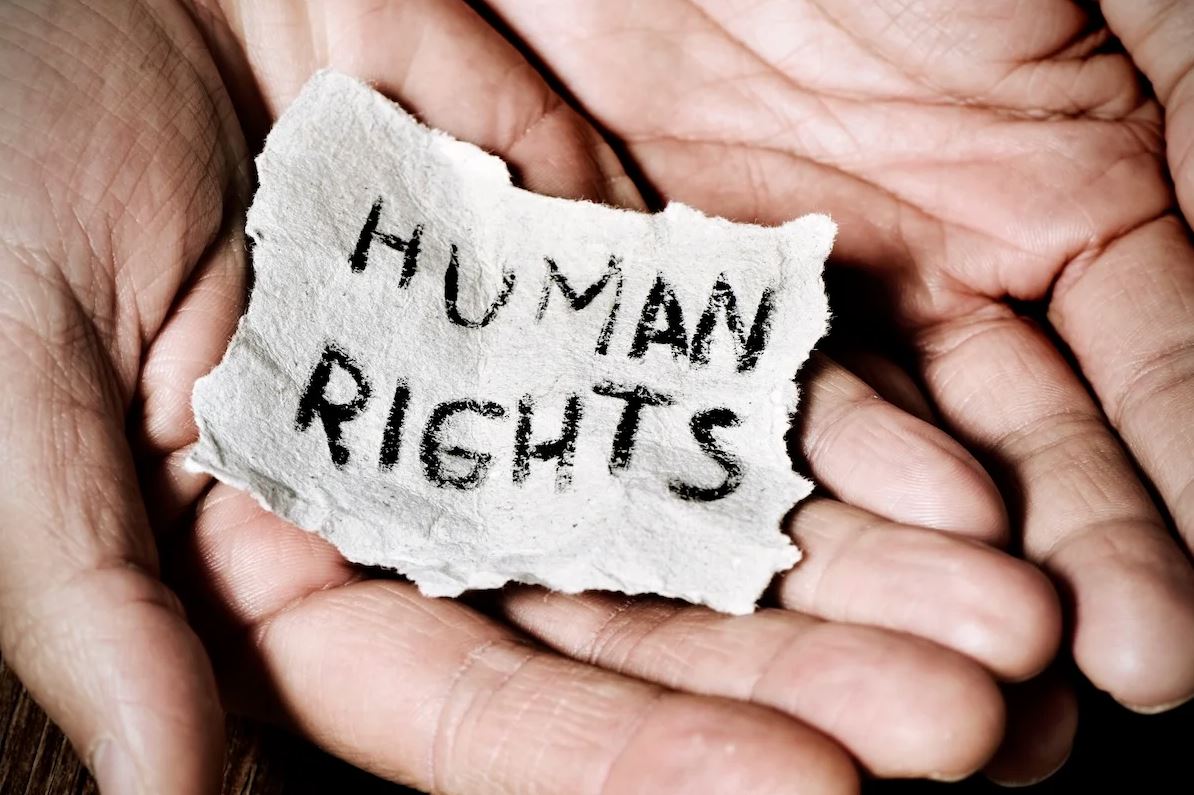
The Promise of Equality Confronts the Realities of Power, Fear, and the Human Need for Recognition
The Birth of a Universal Idea
The concept of human rights did not emerge from philosophy alone but from the ashes of suffering. It was born from the shared recognition that certain boundaries must never be crossed, no matter who holds power. Ancient civilizations held fragments of this belief, seen in codes that valued fairness and in religions that honored compassion. Yet only in the modern age did the idea of universality take shape, suggesting that dignity belongs not by privilege or nation but by existence itself. The birth of this idea marked a profound shift in human consciousness, redefining justice as a shared inheritance rather than a selective gift. It was a declaration that humanity itself could be a source of law.
The journey from principle to practice, however, was never smooth. Wars, revolutions, and moral awakenings all played their part in shaping what the world now calls human rights. Each historical breakthrough came with contradiction. The same societies that declared liberty often denied it to others. The idea grew resilient by confronting its own failures. What began as a moral statement became a global framework, expressed through charters, treaties, and constitutions. Yet even as the words spread, the meaning remained contested. To declare human rights is simple. To honor them in systems of power is a lifelong struggle that must be renewed by every generation.
The Architecture of Rights and Responsibilities
Human rights exist not as gifts from governments but as obligations upon them. They are the architecture that holds freedom in place, built from the understanding that liberty without protection collapses into chaos. Civil, political, economic, and cultural rights interlock like the beams of this structure, each dependent on the others for stability. Freedom of speech means little without access to education, and the right to vote loses meaning without security or shelter. This interdependence forms the ethical geometry of modern civilization, where the measure of progress is not wealth or technology but how widely dignity is distributed.
Yet architecture requires maintenance. Rights erode when institutions fail to enforce them or when fear convinces people to trade freedom for comfort. Responsibilities, both civic and moral, are the scaffolding that keep rights upright. Citizens must act as caretakers, defending the principles that safeguard them. Governments, in turn, must serve as guardians, balancing authority with accountability. The architecture of human rights is not static stone but living structure. It breathes through participation, evolves through reform, and decays through neglect. Its endurance depends not on power but on the collective will to uphold the worth of every person.
The Politics of Recognition
At the heart of every struggle for human rights lies the demand for recognition. People fight not only for resources or representation but for acknowledgment of their humanity. Recognition transforms invisibility into presence. It is the foundation upon which belonging is built. Political movements gain power when they reveal those who have been ignored, when they turn private pain into public awareness. The politics of recognition thus becomes a battle over narrative, who gets to define identity, who is seen as deserving of empathy, and who is dismissed as other. In this contest, visibility becomes a form of justice.
However, recognition can also be manipulated. When identity becomes a tool of division, solidarity fractures. The challenge lies in expanding recognition without fragmenting community. True human rights politics seeks unity through diversity, not uniformity through dominance. It insists that acknowledging difference does not require erecting new hierarchies of worth. Recognition, at its purest, invites dialogue rather than rivalry. It teaches societies that equality is not sameness but balance, a constant negotiation between individuality and universality. The politics of recognition reminds humanity that dignity grows when it is shared, not hoarded.
The Shadow of Power and Fear
Every conversation about human rights inevitably collides with the realities of power. States, corporations, and institutions wield influence that can protect or violate at scale. Fear becomes their most effective tool, shaping compliance more efficiently than force. In times of crisis, societies often permit the erosion of rights in the name of safety. The shadow of fear narrows empathy, encouraging people to see others as threats rather than neighbors. History records many moments when freedom was surrendered not through conquest but through consent born of anxiety. The preservation of rights therefore demands courage, both from individuals and from nations.
To confront power is to challenge narratives that justify inequality. Those who defend rights must be willing to expose hidden mechanisms of control, laws that appear neutral but perpetuate exclusion, systems that favor silence over accountability. Power resists transparency because truth dissolves its illusions. Yet fear cannot be defeated by anger alone. It requires imagination, the belief that alternatives exist. The struggle for rights is therefore not just political but psychological, an effort to replace the vocabulary of domination with that of trust. When power learns humility and fear loses persuasion, the conditions for justice begin to flourish.
The Moral Imagination of Compassion
Compassion is the emotional engine of human rights. Without it, laws are empty and declarations ornamental. Compassion transforms distant suffering into personal responsibility. It bridges the gap between empathy and action, reminding societies that justice begins with the refusal to be indifferent. However, compassion must be disciplined to endure. Unfocused emotion can lead to fatigue or selective sympathy, where some lives are mourned and others ignored. The moral imagination refines compassion into principle, allowing empathy to inform policy without losing balance. It turns feeling into framework, sentiment into system.
Education plays a vital role in cultivating this moral imagination. Teaching history through the lens of empathy reveals that rights are not inherited but earned through sacrifice. Art and literature sustain compassion by illuminating human complexity, showing that even in difference there is reflection. Compassion is both a virtue and a strategy, enabling societies to heal after injustice. When citizens learn to see themselves in others, cruelty loses its rationale. The moral imagination does not demand perfection but presence, the willingness to care consistently even when comfort would be easier.
The Fragility of Progress
Progress in human rights is often celebrated as irreversible, yet history warns otherwise. Gains achieved through decades of advocacy can be undone within years. Institutions that once championed equality can regress into complacency, and freedoms secured can erode quietly through legal reinterpretation. The fragility of progress reveals that human rights are not destinations but directions. They must be walked toward continuously, their relevance reaffirmed by practice. Every generation inherits both the victories and vulnerabilities of those before, tasked with defending what has been built while expanding what remains incomplete.
Globalization has amplified this fragility. While international cooperation strengthens enforcement, it also exposes contradictions between ideals and interests. Economic dependence and geopolitical competition often silence criticism of abuses. The challenge is to align global priorities with moral responsibility. Progress must be measured not only by declarations but by consistency. When nations apply principles selectively, credibility fades. The durability of human rights depends on constancy, the ability to defend the oppressed regardless of politics or convenience. Fragile progress becomes lasting legacy only when principle outweighs expedience.
The Voice of the Marginalized
The most powerful expressions of human rights often emerge from the margins. Those excluded from privilege carry insights that the comfortable overlook. Their voices remind societies that justice is not theoretical but tangible. Marginalized groups, from indigenous communities to displaced refugees, articulate the moral failures of systems that promise equality while practicing exclusion. Their testimonies expose the distance between rhetoric and reality. Listening to these voices is not charity but necessity, for they reveal the blind spots of civilization and expand the moral vocabulary of freedom.
Representation transforms suffering into agency. When the marginalized speak for themselves, they redefine advocacy from within. The global movement for human rights has increasingly recognized this shift, prioritizing participation over paternalism. True progress occurs when those most affected by injustice become architects of their own liberation. Societies grow stronger when inclusion becomes habit rather than headline. The voice of the marginalized teaches that justice cannot be granted from above; it must rise from below, rooted in the lived experience of those who have borne the weight of silence for too long.
The Future of Human Solidarity
The future of human rights depends on solidarity that transcends boundaries of nation, class, and culture. Climate change, technology, and migration have created global challenges that demand collective ethics. Rights can no longer be defended in isolation, for injustice anywhere destabilizes security everywhere. Solidarity redefines belonging from nationality to humanity, encouraging cooperation grounded in shared vulnerability. Yet solidarity requires more than sympathy. It demands structural empathy, the willingness to redistribute resources, adjust policies, and confront privilege. It transforms compassion into collaboration, creating a new form of citizenship that sees global responsibility as local duty.
Building this solidarity begins with dialogue. Cross-cultural exchange, inclusive diplomacy, and grassroots partnerships all nurture a sense of global kinship. The digital age, while divisive, also provides tools for collective action unprecedented in scale. The task ahead is to use these tools not for outrage but for organization. The future of human rights will depend on whether societies can replace isolation with interconnectedness, turning awareness into alliance. Solidarity is the unfinished chapter of the human story, one written not by laws alone but by the shared conviction that no dignity is secure until all are recognized as equal in worth.
The Enduring Promise of Dignity
At its core, the struggle for human rights is a struggle to affirm that every life carries inherent value. Dignity is the quiet center of this vision, the belief that no person is expendable and no suffering invisible. It endures because it speaks to the essence of being human, to the longing for respect, fairness, and recognition. The promise of dignity cannot be fulfilled through declarations alone; it must be lived daily through justice, compassion, and courage. When societies forget this promise, they lose their moral compass. When they honor it, they rediscover what it means to be truly civil. The enduring promise of dignity is not perfection but perseverance, the unyielding commitment to treat humanity as sacred, even in a world that too often forgets its own reflection.